When installing a new roof, or replacing an old one, it's easy to focus solely on the visible materials like shingles or metal roofing. However, a crucial component that often goes unnoticed is the roofing underlayment. Synthetic roof underlayment has become a popular choice, providing key benefits, such as:
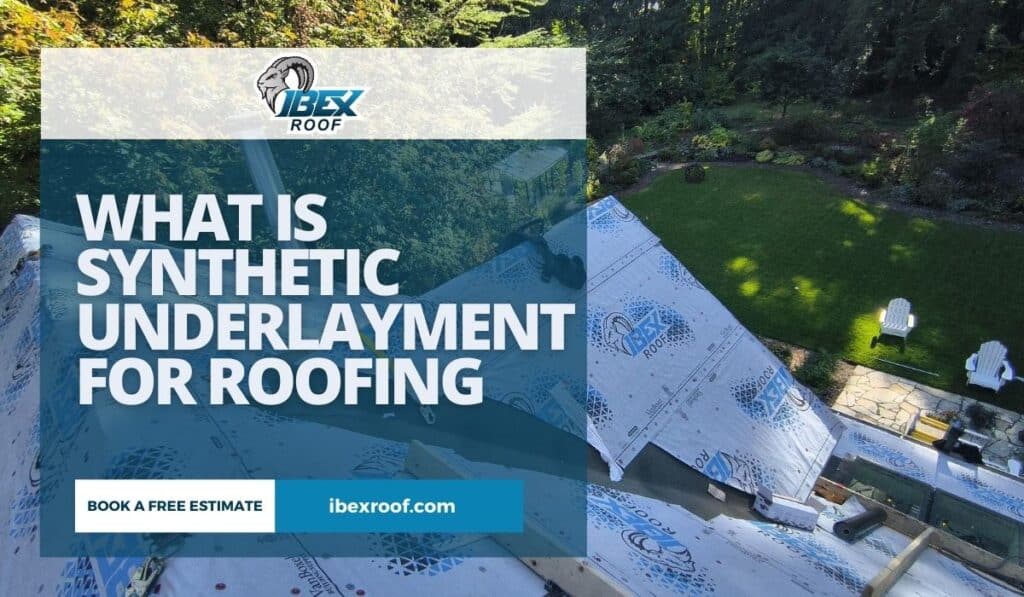
Synthetic underlayment is a type of roofing underlayment manufactured from synthetic materials like polypropylene or polyethylene. These materials are woven or spun-bonded to create a strong, water-resistant sheet that is then coated to enhance its properties.
Unlike traditional felt products, synthetic roofing underlayment is designed not to absorb moisture, preventing issues like mold growth and material degradation, while also providing better tear strength and overall durability, contributing to the longevity of roofing systems.
Here's how synthetic underlayment provides improvements over traditional felt:
Synthetic underlayments also often require fewer overlaps due to their width, decreasing material usage and labor time.
Synthetic underlayments must meet specific ASTM standards to ensure their quality and performance. These standards address key features such as water resistance, tensile strength, and UV resistance. Compliance with ASTM standards ensures that the synthetic roofing underlayment will provide reliable protection against moisture and other environmental factors.
A roofing contractor will make sure the selected material meets all necessary standards for the specific roofing project and local building codes, ensuring a proper and long-lasting installation.
The installation process of synthetic underlayment on a shingle roof is straightforward but requires precision. The roofing contractor begins by ensuring the roof deck is clean and dry. The synthetic roofing underlayment for sloped roofs is then rolled out, starting from the lower edge of the roof, overlapping each course according to the manufacturer's specifications. Fasteners, such as nails or staples, are used to mechanically attach the underlayment to the roof deck, ensuring it is secure. The anti-skid bottom layer of the synthetic underlayment also improves walkability and safety during the installation.
Synthetic underlayment exhibits excellent compatibility with various types of roof decks, including plywood or OSB. Its design ensures that it does not react negatively with the deck material, preventing degradation or corrosion over time. Unlike traditional felt, synthetic underlayment does not absorb moisture, which is critical in preventing mold growth and maintaining the integrity of the roof system. This feature ensures that the roof deck remains dry and structurally sound, thereby prolonging the lifespan of the entire roofing system.
One of the key advantages of synthetic underlayment is its exceptional performance across a wide range of weather conditions. It is UV resistant, which means it can be left exposed for a certain period without deteriorating. The synthetic roofing underlayment provides a reliable barrier against rain and wind, preventing moisture from penetrating to the underlying structure. Its tear strength ensures it can withstand high winds, offering superior protection. The underlayment is designed to maintain its properties across a broad temperature range, ensuring long-term durability and performance.
The pricing of synthetic roof underlayment is influenced by several factors. Here's a breakdown of some key elements:
| Factor | Impact on Pricing |
|---|---|
| Material Composition (Polymer type, UV resistance coatings) | Affects the cost. |
| Tear Strength and Thickness | Thicker, more durable underlayment generally has a higher price. |
| Brand Reputation, ASTM compliance, Anti-skid bottom layer | Further influence pricing per roll or per roll on a pallet. |
When comparing costs, synthetic underlayment is often more expensive upfront than traditional felt. However, its superior performance can offer long-term savings. While asphalt shingle and metal roofing each have unique material expenses, synthetic roofing underlayment for sloped roofs typically requires fewer laps during installation, reducing the amount of material and labor needed. Consider the cost of potential repairs or replacements due to moisture damage when evaluating traditional felt, a key consideration that often balances out the pricing advantages of synthetic roofing underlayment for sloped roofs.
Investing in synthetic underlayment provides long-term value through increased roof longevity and reduced maintenance. Its resistance to UV exposure means it won't degrade as quickly as traditional felt, which can dry out or leach over time. The synthetic roofing underlayment’s ability to withstand harsh weather conditions, including heavy rain and high winds, ensures that the roofing systems remains well-provided and protected. This durability minimizes the need for frequent repairs, making synthetic underlayment a cost-effective choice in the long run for roof protection.
One of the primary advantages of synthetic underlayment is its exceptional moisture resistance. Unlike felt products, which can absorb water and become saturated, synthetic roof underlayment is manufactured to repel water, preventing moisture from penetrating the roof deck. This feature is crucial in preventing mold growth and maintaining the structural integrity of the roofing systems. The water-resistant nature of the synthetic roofing underlayment ensures that the underlying structure remains dry and protected, regardless of weather conditions.
The synthetic roofing underlayment plays a vital role in extending the lifespan of a roof. By preventing moisture accumulation, it safeguards the roof deck from rot and decay. This protection is particularly important in environments with high humidity or frequent rainfall. The durability and tear strength of synthetic underlayment ensure it remains intact over time, even when exposed to extreme weather, enhancing the overall longevity of the shingle, asphalt shingle or metal roofing system.
Selecting the right synthetic underlayment is essential for effective mold growth prevention. Look for products that are specifically designed with enhanced water resistance and vapor permeability, allowing any trapped moisture to escape without compromising the material's integrity. Consider the climate and typical weather conditions in your area; for example, synthetic roofing underlayment for sloped roofs is preferable in areas with heavy rain or snow. Ensure the product meets relevant ASTM standards and comes with a reliable warranty, offering added assurance of its performance and durability when installed by a professional roofing contractor.
They were very responsive to a couple of installation issues and followed through with the business philosophy of finding a solution that would work. Thanks Jeff for your work... read more

 Jerry Willey
I wont to thank all of the people that worked extremely hard on both in being honest and doing a great job, and in fast in have enough... read more
 Jody Koelling
Nick and Jeff E. were great. They both took the time to make sure we understood our options, answered our questions and we were able to make the best choice... read more
 Donavan Anderson
Good price for good work. Crew did full strip and reroof for our two story house in 2 days. Looked great when done. Important to work with a roofing company... read more
 Steve Wetterling
Jeff Eason did a fantastic job and found cost effective ways to avoid high costs
 John Bonomi Jr.
We actually stumbled across IBEX at the Tigard Festival of Balloons and scheduled a free estimate to have our roof cleaned. And I'm so glad we did! Miguel... read more
 Amanda Case
Jeff Eason, our project manager, made sure to handle our project with care and attention. He kept us in the loop of what was happening and was generous with providing... read more
 Rory Parsons
Jeff Eason took great care of me. He kept me up to date each step of the way. I added gutter replacement to my reroofing job and have me regrets!... read more
 Michelle Huffman
Jeff Eason project manager did a wonderful job and gave me the best deal on gutters
 Allen Kosin
Jeff Eason and his crew are professionals who care about the customer. He and his crew arrived promptly at scheduled times. The crew worked efficiently and the roof was installed... read more
 Laura Guerra